
The Expansive Classroom We Are About to Lose
Nature taught us resilience and patience. Now, we turn to fight for the wild places that shaped us.

Where this Starts
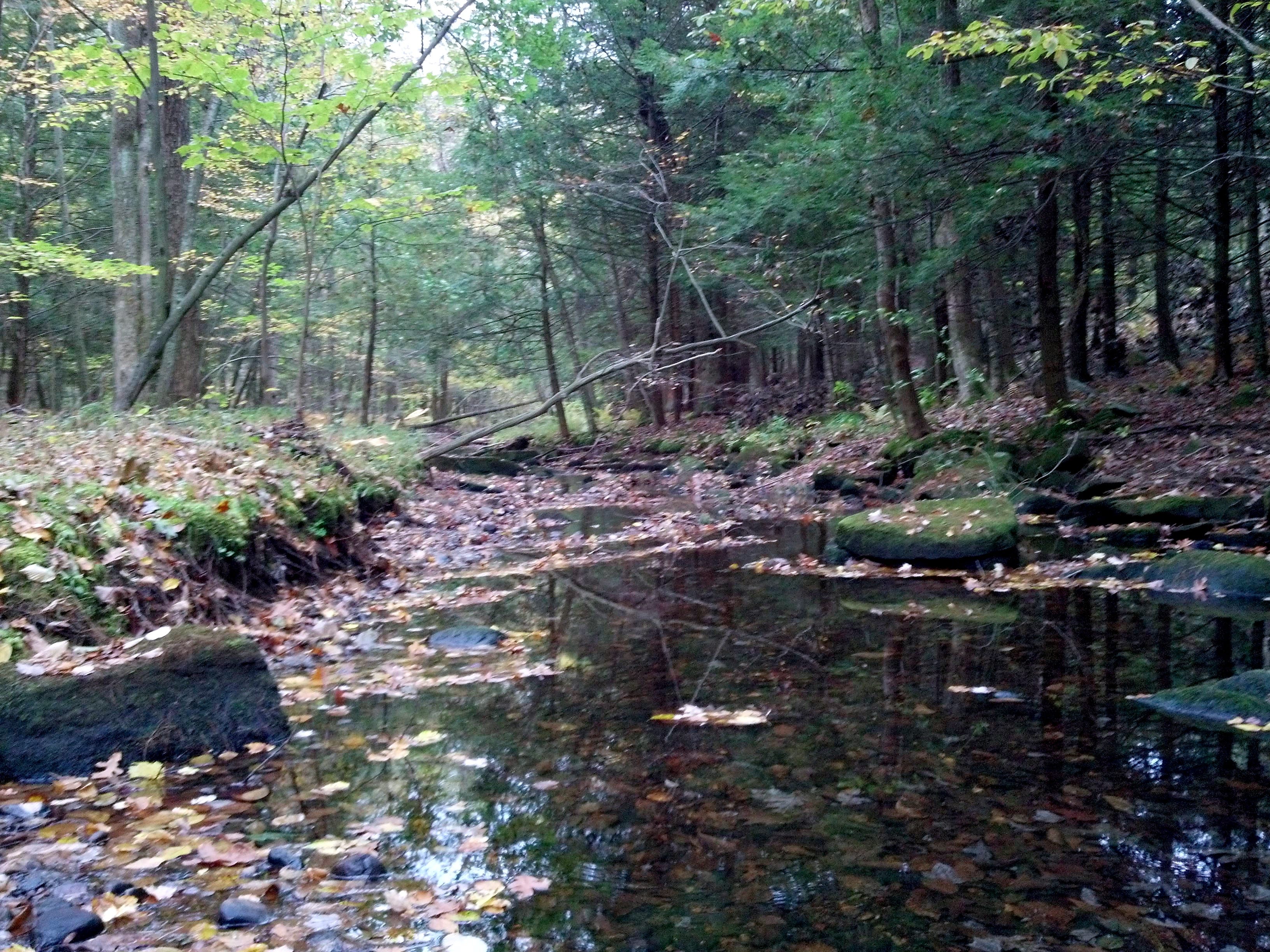
There are many of us who grew up as free range children. We would spend our days, sometimes regardless of the weather, outside and in nature. We’d venture out into whatever spot of woods allowed us to be in the trees. We’d jump across rocks in the streams we needed to cross. Any open space we could get to, we’d surely take the time to explore it end to end.
As we got older, that curiosity didn’t wane. It only enhanced. We’d go out a bit further, find the routes that were longer, and our stays would extend more than just the day. Be it in a national forest or park, verified open space, or even at the state level, these places would be ours to roam. Any others who cared to join, could do so gleefully.
I look back on my time in nature as a child and young adult fondly. Now I can also see how it shaped me. Falling and getting back up is just a part of being on the trail, and it teaches resilience. Overcoming obstacles that seem insurmountable is how you reach the summit, and teaches perseverance. Getting stuck in the rain and having to wait it out, teaches patience. These are just a few lessons learned in the expansive classroom that isn’t made up of walls and desks. But rather trees and sky.
In my adulthood, my fondness for nature has not changed. However, I do see other lessons from its silent lectures, and one more is shaping in front of us.
Where We Are.
In the United States, it is clear the federal government has a current mentality to see nature not as a classroom, a place to experience life, but rather an asset to be exploited. To be sold off, stripped for parts, and left barren or paved. Their stance being public lands are not for the public at all, and are intended for those who only see it for the resources they hold. Destined for the short term financial gain of few, which outweighs the needs, wants, and prosperity of many, many more.
Sadly, this occurrence is nothing new.
People have marked on this before. Like John Muir in 1897 noting
“Any fool can destroy trees. They cannot run away; and if they could, they would still be destroyed—chased and hunted down as long as fun or a dollar could be got out of their bark hides, branching horns, or magnificent bole backbones.”
Or Teddy Roosevelt in 1907 addressing congress
“To skin and exhaust the land instead of using it so as to increase its usefulness, will result in undermining in the days of our children the very prosperity which we ought by right to hand down to them amplified and developed.”
To Aldo Leopold in 1949
“We abuse land because we regard it as a commodity belonging to us. When we see land as a community to which we belong, we may begin to use it with love and respect”
And bluntly put by Rachel Carson in 1962
“The ‘control of nature’ is a phrase conceived in arrogance, born of the Neanderthal age of biology and philosophy, when it was supposed that nature exists for the convenience of man...”
This is a fight that has been waged by every generation of those who take to nature to find more than what can simply be taken from it. Because it is clear to them what can be gained by going into nature with the right intent. What the hollowed woods have to offer besides their lumber, as long as on is willing to listen.
It is tempting to look back to point fingers and cast blame on how we got to this predicament. It is also just as easy to look back with remorse on what we have already lost from our own youth. And even to look back to those naturalists who knew then, some hundred or more years ago, that protection is needed. We need to fight this urge to gaze into the past, and turn our eye to the future. To the trail that lies just ahead, and bends out of our view entirely.
Where We Choose to Go.
Their fight— Muir, Leopold, Roosevelt, Carson (to name a few)— now belongs to all of us. And we need to fight it on a variety of fronts. There are some who will take the fight to the courts, to the officials in question, and attempt to enact policies to protect what we can. There are others who fight on the trails themselves, volunteering to provide the necessary maintenance that has waned through deliberate neglect. Some fight with information, with stats and their platform to keep others in the loop on actions they can take. Because there are some who can only fight so much, but still with great importance and vigor. Through letters, calls, messages and their own right to vote. Regardless of the level and cadence at which they fight, it is all a worthy front to take it on.
This fight is ours, but the victory is not.
The victory is our children’s, and the future generations. Those intrepid wanderers who see the miles of trails and endless trees as a source of something greater than lumber and financial gain. The one who sees the rocks along the creek bed, and are curious of how they got there, not their consumable mineral content. The ones who venture out, who explore, the new generation to fall down on the dirt. The ones who will learn in the same classroom, how to pick themselves up, dust themselves off, and continue on forward.
These wild places, the deep forests of trees, the rocky peaks, the endless stretches of river and sandy beach. These are all a part of this one expansive classroom. Where lessons about living are taught and learned by any and all who choose to attend the session. They still exist, and the knowledge they have to offer is irreplaceable. No manicured grass field, no patch of rough adjacent to the fairway, no book, no online course, no podcast could replicate what is learned through nature. Through the dirt on one’s face, the mud on their shoes, through biting rain and wind, or rocky terrain steep, through solemn forest reflections, and desert sun’s intensity. It is in these places and climes do we learn who we are as humans, and what we are truly capable of.
And the lessons I learned in nature—of resilience, of perseverance, of patience— of knowing when to keep going, are all lessons I hope my son learns the same way.
For me, that is the most important reason to fight.
What are the other ways we can continue to fight for our public lands?
What are some publications that share relevant information worth checking out?
Share below.
Oh this was powerful.
care