
A Complicated Relationship

Some of my best memories of time in nature are spent sitting around the campfire. From my youth, telling stories on those family trips. To adult hood, sitting with friends and getting to know each other on a much deeper level. Even on those solo trips, the long nights spent in quiet reflection gazing at the stars while the crackle of the flames is the only noise for miles.
Something compels us toward the fire at night. Beyond the warmth it provides in the surrounding chilled air. Or even basking in the light it casts, frightening away the darkness and the terror that comes with it. No, there is something familiar about it. Something that reaches to the core of who we are as humans. For all of our advancements and comforts of the modern world, what might be our first comfort still offers a warm safe embrace. Even entertaining, with the whisps of orange and yellow, with undertones or blue or even green. The bright red colorful glow of the embers with and almost iridescent pulse.
It is easy to get lost in this dance, to the rhythm of the crackle. Only to be broken from the enchantment by the sudden pop. Remind us of the world outside the warm glow.
We are so drawn to it, we long for it even within the confines of our own world. Backyards—including my own— are adorned with firepits. To try and capture the essence of the campfire. That feeling we get when night falls while in nature, and we seek out the comfort of the warming flames. Where this gets complicated, is our complacency toward it. Forgetting that even though it can feel protective and soothing, it also yields destruction.
During the summer of 2021, the fires rages in particular in the west. Smoke filled skies were the norm, and fire bans/restrictions made even the backyard occurrence illegal. After the flames subsided, the landscape was in serious need of help. Myself (and several hundred others) volunteered for recovery efforts. This included felling trees, removing of burnt debris and tending the earth for growth. We were working on a hillside just north of Boulder, spending the entire day working up the hill. Even though it was just one small section, we felt as though we were making a difference.
That was until we reached the top.
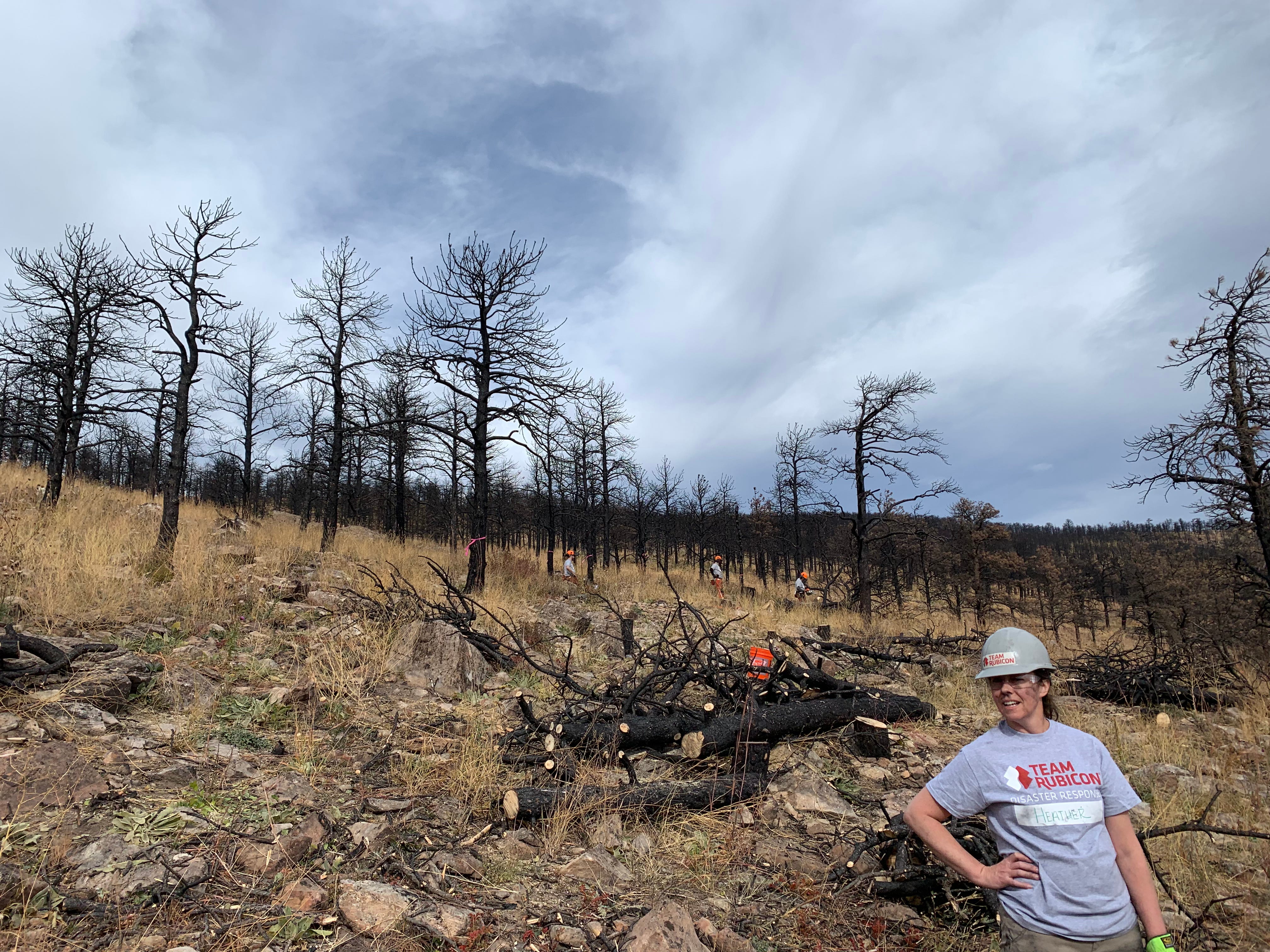
The view was agonizing. The hill we stood on was just one in the line of many rolling behind it. The earth scorched to a soulless black. There wasn’t any sign of greenery or life present. It was just all gone for miles. It is one thing to hear or read about the mass acreage of land that is burning, it is another to see it with your own eyes. It was one of those moments that puts true perspective on what is important in this world, and where the most action is needed.
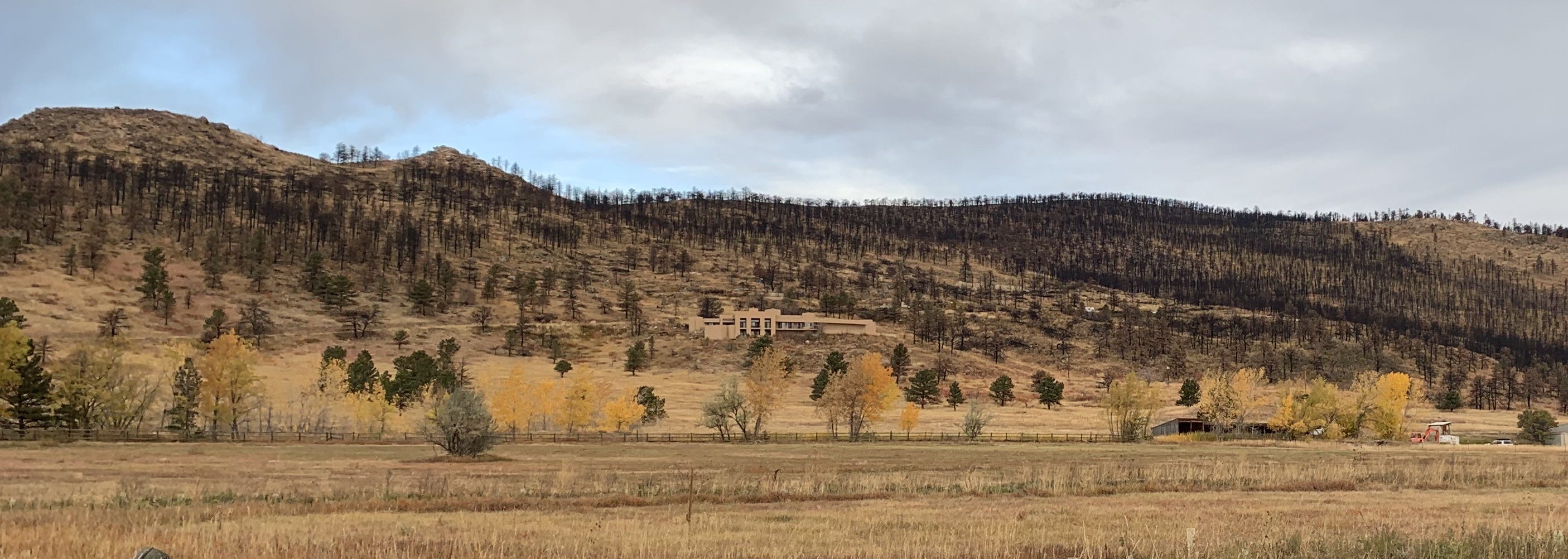
Wildfires are actually a part of most natural ecosystems. Long before our ancestors lit the first campfires and were immersed in the tranquil glow. These fires were responsible for resetting forests, cycling nutrients, and shaping landscapes. The flames of smaller fires clear out dead brush, open the canopy for new growth, and actually strengthen ecosystems over time. In that natural rhythm, fire was apart of a cyclical nature of growth, burn and restoration.
Recently, it’s we humans that have upset this rhythm and thrown it off key. By suppressing every spark, we’ve allowed fuel to build up year after year. The result is turning small, manageable burns into monster infernos. This is ontop of rising temperatures and dry conditions from climate change. Our interference on multiple levels has yielded a recipe for devastation. And yet, there are individuals and groups who still seem to be careless when venturing out into this setting.
Wildfire season in Colorado is here. While the dry summer months make them more prevalent, they can happen seemingly anytime. When they are man-made, the destruction is worse. It’s shocking that 84% of wildfires in the United States are caused by human ignition of some kind. Although the causes can very, some of the most destructive are due to flat out negligence. The volatility of these events is exacerbated by dyer climates, and the increasing number of individuals recreating in nature only heightens the probability of that negligent spark.
Wildfire isn’t the the problem, it’s a result of our disconnection from nature. We need to rethink our approach in a changing climate, while still remaining aware. This is a reminder for vigilance this time of year when venturing out. Not only for ourselves, but to have a keen eye for those who might be unknowing—or uncaring—to the danger. As alluring as it might be, no serene moment by the fire is worth the potential for destruction. Beyond this, it is also a call to action. To lean more on the powers at be for sustainable change to not only how we manage and mitigate fires, but how we need to change to protect our environment and ensures its longevity for future generations.
To enable them to venture out into nature, to enjoy those moments around the campfire.
Having lived in California my whole life, I fully understand the scope of this problem. I have first-hand experience with having to evacuate my own home due to the risk of the wildfire spreading and destroying our land. It’s truly a scary experience seeing animals fleeing, the sky turning red, and anxiously hoping our house doesn’t get burned down.